
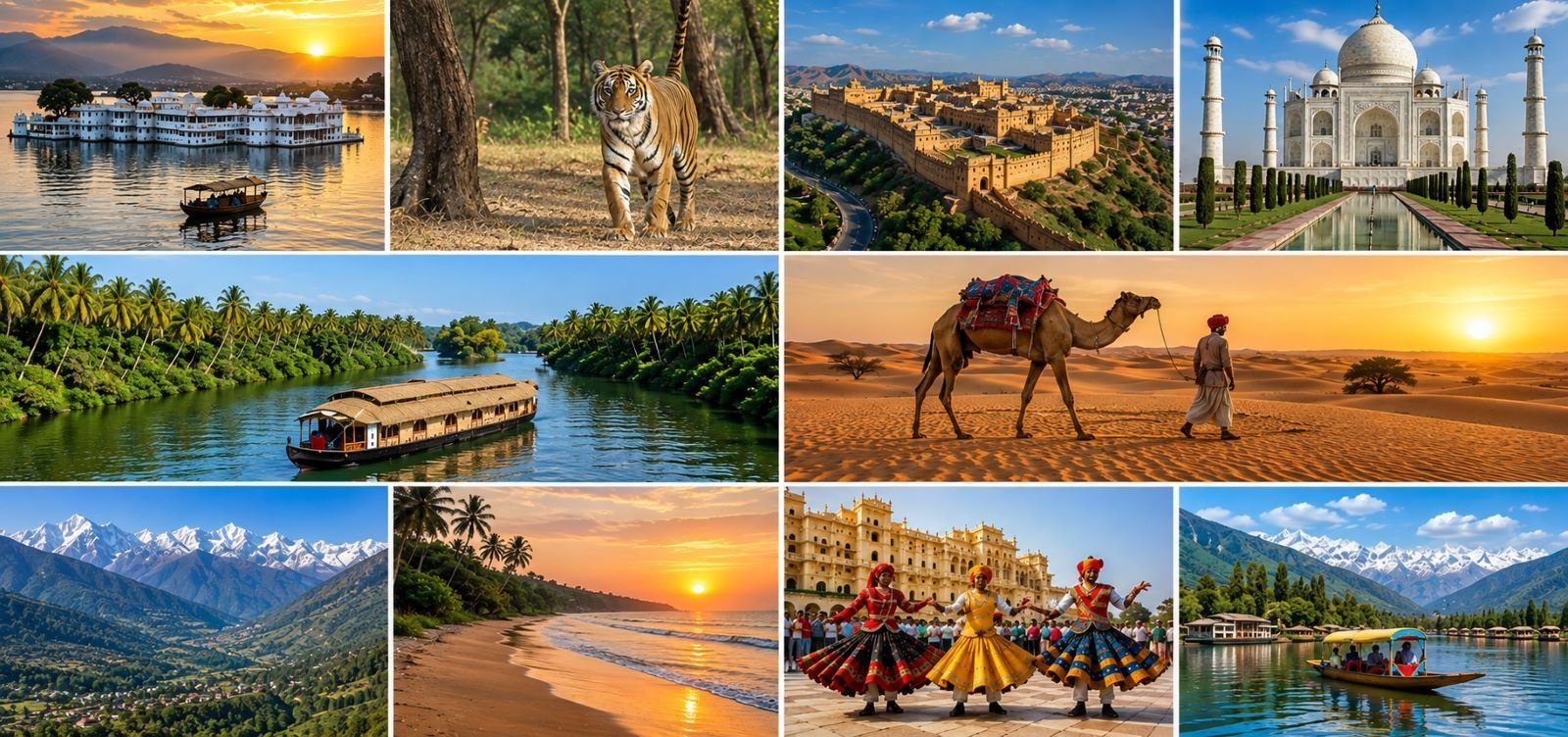
Every year, as British evenings turn dark and damp, thousands of travellers start dreaming of warm sunshine, golden monuments and a proper curry on its home turf. If that sounds familiar, you are asking the right question: what is the best time to visit India from the UK? For most people the answer is simple. From October to March, North India is at its most comfortable, the skies are clear and the sightseeing is a pleasure rather than an endurance test. This guide explains why, month by month, and how to plan an India holiday from UK in winter that actually works.
Why October to March Is the Best Window
India is a big country with several climates, but the classic first-timer routes in Delhi, Agra, Jaipur and Rajasthan share one pattern. Summers are brutally hot, the monsoon is humid and wet, and winter is the sweet spot. Here is why UK travellers love it:
• Comfortable temperatures for long days at forts, palaces and markets.
• Clear, sunny skies, which means better photos of the Taj Mahal and Amber Fort.
• Festivals and events, from Diwali lights to Christmas and New Year celebrations.
• Good wildlife viewing, with tiger reserves open and pleasant for safaris.
• Easy to pair with school holidays and winter breaks back home.
India Weather October to March: Month-by-Month
Temperatures below are typical ranges for Delhi, Agra and Jaipur. Conditions vary by year, so treat them as a guide.
|
Month |
Typical weather |
What to expect |
|
October |
Warm, 20 to 33°C |
Monsoon has gone, skies clear up. Early festive season begins |
|
November |
Mild, 12 to 27°C |
Great sightseeing weather. Air quality in Delhi can dip after Diwali |
|
December |
Cool, 7 to 21°C |
Cold mornings and evenings, sometimes fog. Peak season for UK travellers |
|
January |
Cold, 5 to 19°C |
Coldest month. Foggy mornings can delay trains and flights |
|
February |
Pleasant, 9 to 25°C |
Warming up, clear days, fewer crowds than December |
|
March |
Warm, 15 to 33°C |
Comfortable early on, hotter by month end. Holi colours arrive |
Best Months to Visit India: Which One Suits You?
If you are flexible, these are the best months to visit India depending on your priorities:
|
If you want... |
Go in |
Why |
|
The most comfortable weather |
Nov and Feb |
Mild days, fewer cold snaps |
|
Festive atmosphere |
Oct to Dec |
Diwali, Christmas and New Year events |
|
Fewer crowds, better prices |
Late Feb to March |
Shoulder season with good weather |
|
A warm beach or Kerala add-on |
Dec to Feb |
South India is at its best now |
India Winter Travel from UK: Practical Planning
Flights and Time Difference
Direct flights from London to Delhi take roughly eight to nine hours. India is five and a half hours ahead of the UK in winter, so jet lag is mild. Many travellers plan an easy first day to settle in.
What to Pack
• Layers: a light jacket and scarf for mornings, a T-shirt for afternoons.
• Warm clothing for Ranthambore, where early safari mornings can be chilly.
• Sunscreen, sunglasses and comfortable walking shoes.
• Modest clothing for temples and mosques.
Book Early for December and January
Christmas and New Year are the busiest weeks. Hotels, drivers and safari seats fill up, so booking a few months ahead gives you better choice. If your dates are fixed, the sooner you plan, the easier it is.
Sample Winter Routes for UK Travellers
• Golden Triangle (Delhi, Agra, Jaipur): the classic first trip, ideal for a week. See our Golden Triangle tour packages.
• Golden Triangle with a tiger safari: winter is a comfortable season to add wildlife. Explore our Golden Triangle with Ranthambore tiger package.
• Rajasthan heritage trail: forts, havelis and desert nights, perfect in cooler weather.
• North plus South combination: culture in the north, backwaters and beaches in Kerala.
Not sure how long you need? Our tailor-made journeys are built around your dates, so we can fit the plan to your school holidays or annual leave.
Winter Safaris at Ranthambore
Ranthambore is open for safaris through the cooler months, and its dry forest makes spotting wildlife easier. Mornings can be cold, so wrap up warm and carry a blanket or shawl. Zone allotment is controlled by the forest department, so no honest operator can promise a tiger, but your chances are good. Read more on our Ranthambore safari booking page, or see our guide to wildlife and heritage destinations in India for ideas on combining the two.
When Not to Go?
• April to June: very hot in the north, often above 40°C.
• July to September: monsoon rains, humidity and some travel disruption.
That said, some travellers do go in these months for lower prices or specific regions. If you are one of them, tell us and we will plan around the heat or rain.
Plan Your India Holiday with Indian Inspire Journey
We have been planning journeys since 1984 and are recognised by the Government of India, IATO and Incredible India. Our team is based in Sawai Madhopur, near Ranthambore, so we know how the seasons really feel on the ground. Share your dates, group and interests, and we will suggest the right route. Call or WhatsApp +91 8094 3131 88 or email Info@indianinspirejourney.com.
Frequently Asked Questions
What is the best month to visit India from the UK?
November and February are often the most comfortable, while December is the most festive but busiest.
Is India too cold in winter?
Days are pleasant, but nights and early mornings in North India can be cold, especially in January. Pack layers.
Do I need a visa?
Most UK citizens apply for an e-visa online before travel. Always check the official government portal for current rules.
How early should I book a winter trip?
For December and January, aim for at least two to three months ahead.