
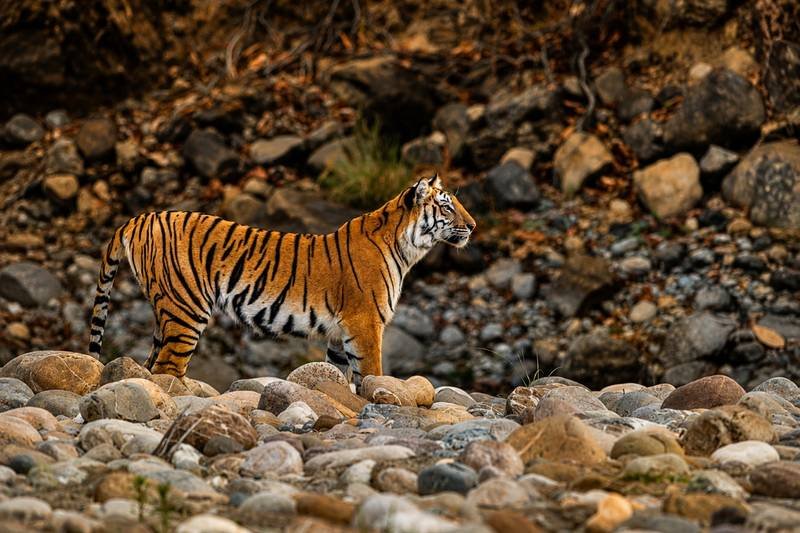
If you have ever planned a trip to Ranthambore, you already know the first confusing question every traveller asks: "Which zone should I pick for the best tiger sighting?" With ten safari zones spread across this famous reserve in Rajasthan, the choice can feel overwhelming, especially when every driver, guide, and travel blog seems to have a different opinion. This guide breaks down the Ranthambore safari zones in simple terms, so you can book the right zone with confidence and actually improve your chances of seeing a tiger in the wild.
Before you dive into zone numbers, it helps to first understand the reserve itself. If you are still deciding on dates or accommodation, our detailed guide to Ranthambore Tiger Reserve covers everything from the best season to visit to how the park is structured.
Understanding the Ranthambore Zone System
Ranthambore National Park is divided into ten numbered safari zones, and every jeep or canter safari you book is allotted to one specific zone for that particular safari slot. You cannot roam freely between zones during a single safari; once your vehicle enters a zone, you stay within its boundary for the entire drive. This is exactly why choosing the right Ranthambore safari zone matters so much. A well-planned wildlife trip usually books multiple safaris across two or three different zones to balance chances of tiger sightings with variety in landscape and terrain.
Core Zone vs Buffer Zone: What's the Real Difference
One of the most common points of confusion is the core zone vs buffer zone debate. Zones 1 to 5 fall within the core area of Ranthambore, which is the original, denser forest where tiger density has historically been the highest. Zones 6 to 10 are part of the buffer zone, a slightly newer and more open forest area that was added to ease pressure on the core. Buffer zones tend to have fewer vehicles, more birdlife, and calmer scenery, but statistically lower tiger encounter rates compared to the core.
That said, buffer zones are not to be dismissed outright. Several resident tigresses have shifted territories into zones like 6 and 7 in recent years, and sightings there have improved. Still, if your main goal is maximising the odds of seeing a tiger, the core zone remains the safer bet, and that is where most seasoned safari planners focus their bookings.
Zone 3, 4 and 5 Ranthambore: The Fan Favourites
Among the core zones, Zone 3, 4 and 5 Ranthambore consistently come up as traveller favourites, and for good reason. These three zones sit around the historic Ranthambore Fort and its surrounding lakes, an area long associated with confident, camera-friendly tigers that are used to vehicle movement.
Zone 3 is famous for its scenic lakes, including Padam Talab and Rajbagh Talab, and has been home to some of the reserve's most photographed tigresses. Zone 4 offers dense forest cover with a good mix of open grassland, making it a strong all-rounder for both sightings and photography. Zone 5, adjoining Zones 3 and 4, benefits from overlapping tiger territories and often sees good movement, particularly in the early morning safari slot.
Which Zone Is Best for Tigers?
If you're asking which is genuinely the best zone for tigers, the honest answer is that no single zone guarantees a sighting on any given day, since tiger movement is natural and unpredictable. However, based on long-term sighting data and forest department records, Zones 2, 3 and 4 have historically delivered the highest number of confirmed tiger sightings, closely followed by Zone 5. Zone 1 also performs well but has fewer resident tigers than it once did. If you want a well-rounded first-time experience, our team usually recommends combining one safari in Zone 3 or 4 with a second safari in Zone 5 or Zone 1. This spread increases your overall probability across two territories rather than betting everything on a single drive.
How Ranthambore Zone Booking Actually Works
Here's something many first-time visitors don't realise: you cannot simply choose your favourite zone and expect to get it. Ranthambore zone booking is done through the official online forest department portal, and zones are allotted through a computerised lottery system for a large share of permits, while a limited number of gypsy and canter seats are released closer to the date. Because zones are assigned rather than freely chosen, booking early and through an experienced operator significantly improves your chances of landing a preferred zone like 3, 4, or 5.
Permits open a few months in advance and popular zones during peak season, from October to March, fill up fast. Safaris run in two shifts daily, an early morning drive and a late afternoon drive, and each has a fixed entry and exit time per zone. If you are ready to lock in your dates, our travel experts can guide you through the entire process, from permit booking to hotel selection. You can start by reaching out through our Contact Us page and share your preferred travel month.
Quick Tips Before You Book
Book at least 60 to 90 days in advance for peak season travel, especially if you want Zone 3, 4, or 5. Choose the morning safari slot when possible, since tigers are more active in cooler hours. Spread your safaris across two or three zones instead of repeating the same one. And if this is your first Ranthambore trip, pairing your visit with some background reading, such as our post on Amazing Facts You Need to Know About Bengal Tigers, can make the experience far more meaningful once you're actually inside the park.
Final Thoughts
There is no single perfect zone that guarantees a tiger sighting every time, but understanding how the Ranthambore safari zones work puts you in a much better position to plan smart. Focus on the core zones, especially 2, 3, 4, and 5, book early, and consider spreading your safaris across more than one zone. Combined with the right season and a reliable local operator handling your permits, your odds of a memorable tiger encounter in Ranthambore Tiger Reserve go up considerably.