
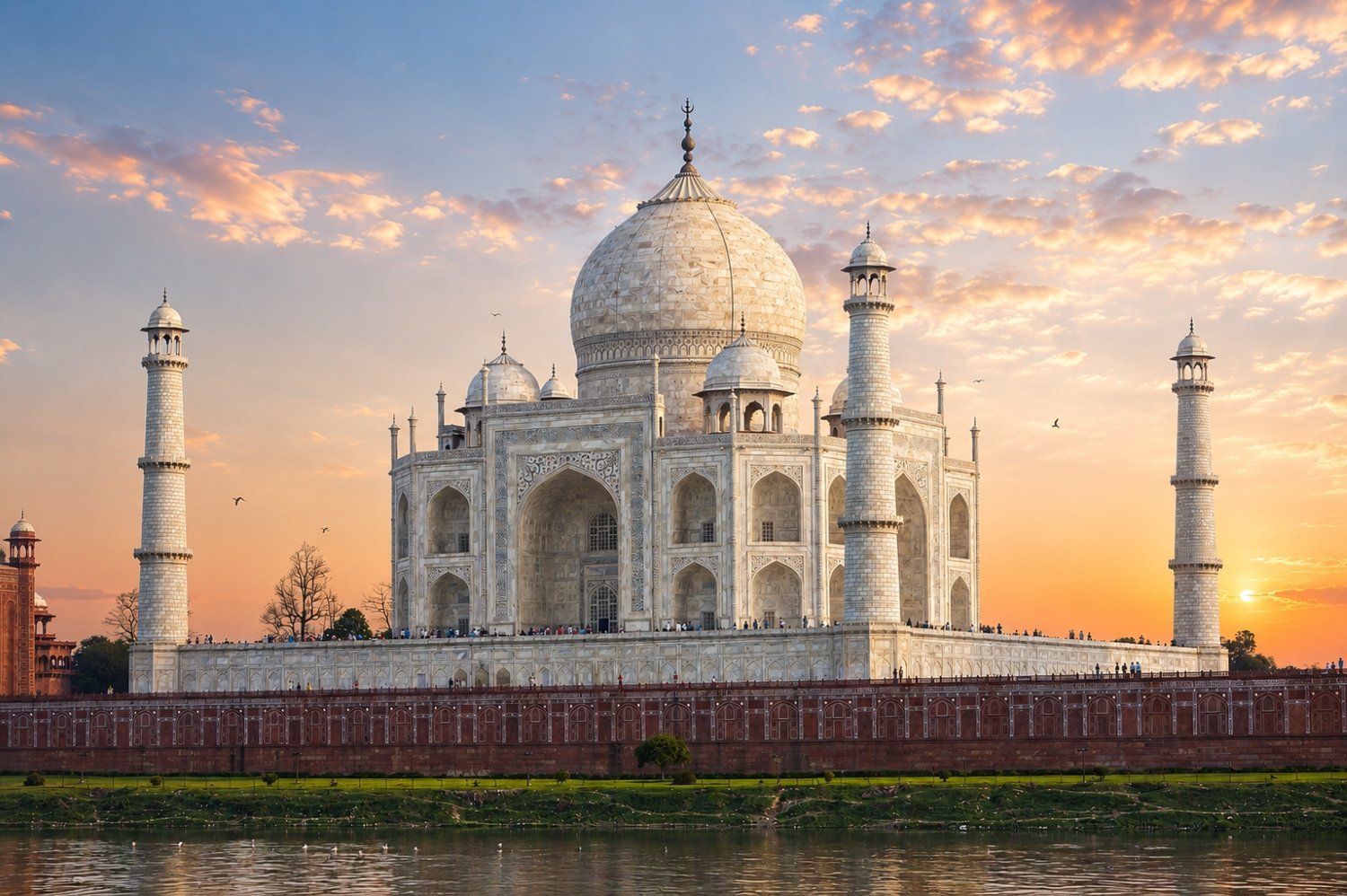
Delhi, Agra, and Jaipur together form India's most iconic travel circuit, and almost every first-time visitor to the country ends up asking the same question: what is the best time for the Golden Triangle tour? The honest answer depends on what you want from the trip, comfortable sightseeing, dreamy photographs, or a quieter experience away from tour bus crowds. This guide walks you through the weather, the crowd patterns, and the photography considerations month by month, so you can plan a Golden Triangle trip that actually matches your travel style.
If you haven't finalised your itinerary yet, it's worth browsing our Golden Triangle Tour with Majestic Tiger package first, since travel timing and route planning usually work best when decided together.
Why Timing Matters So Much on This Route?
Unlike a beach holiday or a hill station trip, the Golden Triangle involves long days of walking through forts, palaces, and monuments under open skies. Delhi, Agra, and Jaipur all sit in North India's plains, which means the region experiences sharp seasonal extremes, scorching summers, a humid monsoon, and a mild, pleasant winter. Getting the season right isn't just about comfort; it directly affects how much you can actually see and enjoy in a single day without exhaustion cutting your sightseeing short.
October to March India: The Golden Window
If there's one phrase every experienced travel planner will repeat, it's this: the October to March India window is when the Golden Triangle truly comes alive. Daytime temperatures during these months typically range between 15°C and 28°C, cool enough for comfortable walking tours and warm enough to avoid heavy layering. Skies are largely clear, humidity drops, and early morning haze often lifts by mid-morning, revealing crisp views of the Taj Mahal and Amber Fort.
Within this window, November to February is considered peak season, and December to January brings genuinely cold mornings in Delhi and Jaipur, sometimes falling to single digits before sunrise. Travellers sensitive to cold should pack a light jacket for early safari-style starts and monument visits, especially if pairing the circuit with a wildlife extension. Speaking of which, many of our guests combine this trip with a nearby reserve; our Rajasthan Tour Packages page is a useful companion read if tigers are also on your list.
Golden Triangle Weather Month by Month
October marks the transition out of monsoon, with pleasant evenings but occasional lingering humidity in the first half. November and December bring crisp, clear days and the most comfortable temperatures of the year, ideal for long walking days at Fatehpur Sikri or Hawa Mahal. January is the coldest month, with dense morning fog in Delhi and Agra that can occasionally delay flights, so building a buffer day into your itinerary is wise. February sees temperatures rising gently while still remaining comfortable, and March offers a shoulder-season sweet spot, warmer days but still manageable, with noticeably thinner crowds compared to peak winter.
Avoid April through June if possible, when Rajasthan and Delhi regularly cross 40°C, making outdoor sightseeing genuinely exhausting. The monsoon months of July and August bring relief in temperature but also unpredictable rain and higher humidity, which can affect visibility for photography, particularly around the Taj Mahal's reflecting pools.
Crowd Levels: When to Expect the Busiest Sites
Peak winter, especially the last week of December through the first week of January, sees the heaviest footfall across all three cities. The Taj Mahal, Amber Fort, and India Gate can feel genuinely packed, and hotel prices climb accordingly. If you prefer breathing room for photographs and a slower pace, aim for early October, late February, or early March instead. These shoulder months still offer good weather but noticeably shorter queues at ticketed monuments, and better availability for heritage stays, something our team frequently recommends when guests ask about combining sightseeing with a relaxed pace through our Heritage Tours options.
Golden Triangle Photography Tips by Season
For photographers, winter light in North India has a soft, golden quality, particularly in the hour after sunrise and before sunset, often called the golden hour for good reason here. Morning mist around the Taj Mahal between November and January can create atmospheric, almost dreamlike shots, though it also means arriving right at opening time is essential before the haze burns off and crowds build up.
Monsoon season, despite its challenges, rewards photographers who don't mind waiting out a shower; wet sandstone at Amber Fort and dramatic monsoon skies over Jaipur's Nahargarh viewpoint can produce striking, less commonly seen images. Summer, while punishing for comfort, offers the clearest long-distance visibility and vivid blue skies, useful for wide architectural shots if you're willing to shoot only during early morning or late evening hours. If photography is a serious part of your trip, it's worth speaking with our specialists who curate our Wild Photography Tours, since timing recommendations can be tailored around specific lighting goals rather than general comfort alone.
Our Recommendation
For most travellers, the sweet spot remains mid-November to mid-February for the classic experience, or late February into March if you'd rather trade a few degrees of warmth for smaller crowds and better photography access. Either way, book accommodation and monument slots at Agra and Jaipur well in advance during winter months, since peak season fills up fast.
Final Thoughts
There's no single universally perfect month for this trip, but understanding how Golden Triangle weather shifts across the year lets you choose a season that fits your priorities, comfort, crowd tolerance, or photography goals. If you'd like a customised itinerary built around your preferred travel month, our team can help you plan the pacing, hotel selection, and add-on experiences. Simply reach out through our Contact Us page and share your travel dates, and we'll help you time your Golden Triangle journey just right.